
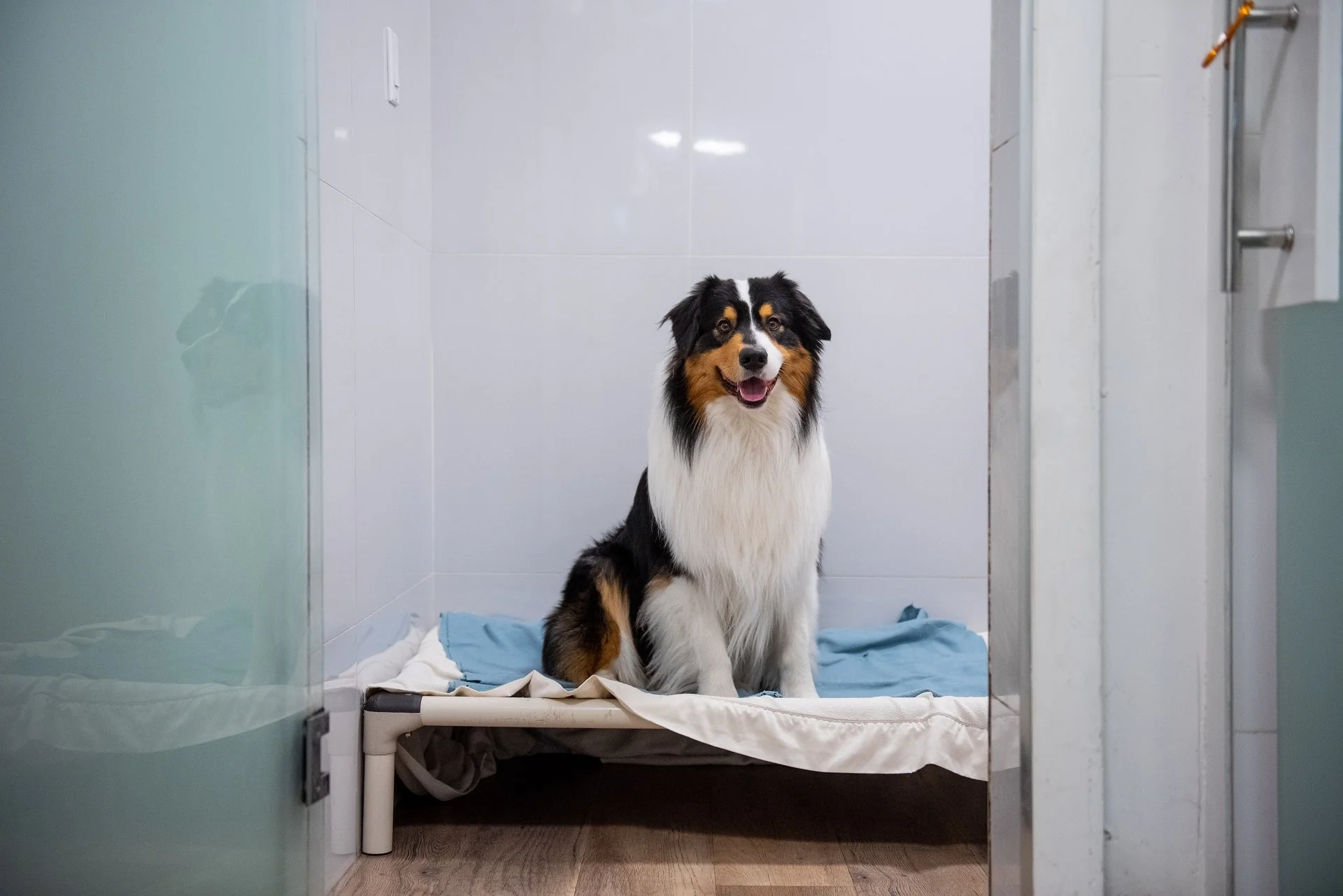
Winter travel can be a great reset for people, but it often comes with one important question: who will care for the dog while we’re away? For many families in Vancouver, planning a December getaway means searching for trustworthy dog boarding. Weather in the region plays a big part in this process. With darker days, wet conditions, and a shift in routine, not all boarding options are the right fit.
Choosing the right dog boarding in Vancouver during winter comes down to more than just availability. We need to think about comfort, safety, and how the space will support our dog’s needs while we’re gone. In this post, we’ll walk through what makes a winter boarding stay successful and less stressful for everyone involved.
What to Consider When Boarding Your Dog in Vancouver This Winter
Winter in the Lower Mainland is often chilly, damp, and dark. Windy nights and stretching hours of rain can make it less pleasant for anyone, dogs included. While snow might be rare, cold weather and mud build-ups are not.
This means boarding during winter needs to be looked at differently than for summer holidays. Dogs need a space that provides:
• A warm, dry place to rest and relax
• Safe indoor areas for play when outdoor time is limited
• Clean, covered outdoor access that allows room to move without being soaked
Ask the facility how they adjust routines in colder months. Is there extra indoor enrichment? Do dogs still get to move around and burn energy in a way that feels natural for them? It's worth knowing how often dogs go outside and what surfaces they’ll be walking on when it’s wet or icy.
Comfort should also cover bedtime. Look for boarding that includes warm bedding, especially for older dogs or those prone to sore joints in damp weather. And don’t hesitate to ask about noise levels, feeding routines, and how any weather-related stress is managed.
How to Decide If Your Dog Is Ready for Boarding
Some dogs take naturally to new environments. Others might find the shift a little overwhelming, especially during the winter when energy levels can already be up and down.
If your dog hasn’t boarded before, or if they’re a rescue adjusting to a new home, try to look for early signs of comfort in different settings:
• Are they okay being away from home for a few hours during the day?
• Do they adjust well to new people, sounds, and groups of dogs?
• Do they have a routine already that they’re comfortable following?
Being aware of your dog's temperament can help you determine what kind of boarding environment will work best. For dogs used to spending most of the day at home, being around other dogs full-time might be a big change. Winter makes this adjustment trickier, because outdoor time is often limited. A busy facility could feel louder or more cramped during wetter weeks.
One good first step? Try short daycare sessions. It gives both you and your dog a low-stakes way to ease into the environment. You’ll also get to see the space in action, ask questions, and get a feel for how your dog is doing without you nearby.
Features That Make Winter Dog Boarding Safer and Calmer
The right setup can make a world of difference when it gets cold and damp outside. Ideally, your dog should be able to eat, play, rest, and explore in a way that still feels somewhat like home, even if you’re away on holiday.
Here are a few things to look for:
• Temperature-controlled indoor spaces that feel clean, calm, and secure
• Supervised play with staff who understand group dynamics and know when to step in
• Flexibility to move between rest and stimulation throughout the day
At Good Dog, every boarding area is designed to offer temperature-controlled comfort, and our Tri-Cities locations boast over an acre and a half of secure outdoor play space for exercise, even during the winter. Our certified staff are trained to recognize stress signals and provide enrichment activities to support your dog's emotional health.
Attention to these facility features helps keep your dog comfortable no matter how stormy the weather gets outside. In addition to temperature control, having a clean, well-ventilated environment can help prevent health issues during the colder months. Some dogs, especially those with thicker coats, may prefer cooler spaces to avoid overheating while resting after play.
On-site supervision matters too. During winter, it’s easy for dogs to get cooped up or restless, especially when they don’t get to burn energy outside. Continuous monitoring helps prevent signs of stress from building up quietly during the day. Staff who know your dog's preferences and habits can spot changes and intervene early, providing extra attention or a calming activity.
When routines stay predictable and dogs receive regular breaks for both play and rest, even energetic or anxious pups tend to feel more relaxed. This structure is especially helpful when outdoor breaks are shorter due to rain or cold temperatures.
Planning Ahead for Your Holiday Boarding Spot
December is one of the busiest months for dog boarding in Vancouver, so planning early is more than just helpful. It’s necessary. We recommend finalizing holiday boarding arrangements several weeks in advance.
If you’re new to a boarding facility or thinking about switching, schedule a visit or a quick walkthrough. Some things to look for on-site include:
• Clean, dry common areas that are easy for dogs to walk on
• Staff interaction that looks calm, attentive, and caring
• Clear organization of feeding times, rest breaks, and bathroom routines
Paying attention to the details during your visit can make a difference. Notice whether the staff greet you and your dog warmly, if the other dogs appear settled, and if the play areas have plenty of space and are free from hazards. Clean water bowls, separate outdoor and indoor play zones, and a clear routine for group or solo time can add to your peace of mind.
If it’s an option, try a single-day daycare stay first. It can help your dog build familiarity with the space, sights, smells, and sounds. Dogs who already feel settled where they sleep tend to handle longer stays better.
Since holiday bookings fill up fast, don’t wait until the travel dates are right around the corner. It’s worth setting a reminder in early November to start confirming availability. The sooner you can book, the more likely you are to get your preferred dates, and your dog will benefit from an easier transition.
Setting Your Dog Up for a Positive Boarding Experience
Giving your dog a positive boarding experience during the winter is about maintaining a sense of routine and comfort. Facilities like Good Dog use enrichment-based play and individualized care to reduce stress, keeping routines familiar and ensuring each dog gets the attention and breaks they need.
Plan ahead by packing your dog's familiar bedding and favorite toys. Anything that smells like home, such as a well-used blanket or a t-shirt you've recently worn, can provide comfort during their stay. Providing your dog's regular food is important, as changes in diet might unsettle sensitive stomachs, particularly during colder months when stress can be higher.
Before boarding, check that your dog's vaccinations are up to date and let the staff know about any specific feeding instructions or medication needs. Preparing detailed notes about daily habits makes transitions smoother for both your dog and the caregivers.
Making the drop-off experience calm and positive helps too. Take a short walk together before arrival to burn off nervous energy, and keep your goodbye brief and upbeat rather than prolonged.
Your Winter Boarding Peace of Mind
Planning a holiday getaway and wanting to ensure your dog stays secure and supported? We focus on comfort, structure, and familiar routines to make winter stays easier for everyone. Whether you're in Coquitlam, Port Moody, or elsewhere in the Greater Vancouver area, we encourage pet parents to explore our dog boarding in Vancouver option before spaces fill up. At Good Dog, our team is ready to guide you through the process and help set your pup up for success. Give us a call to book a visit or ask any questions.