
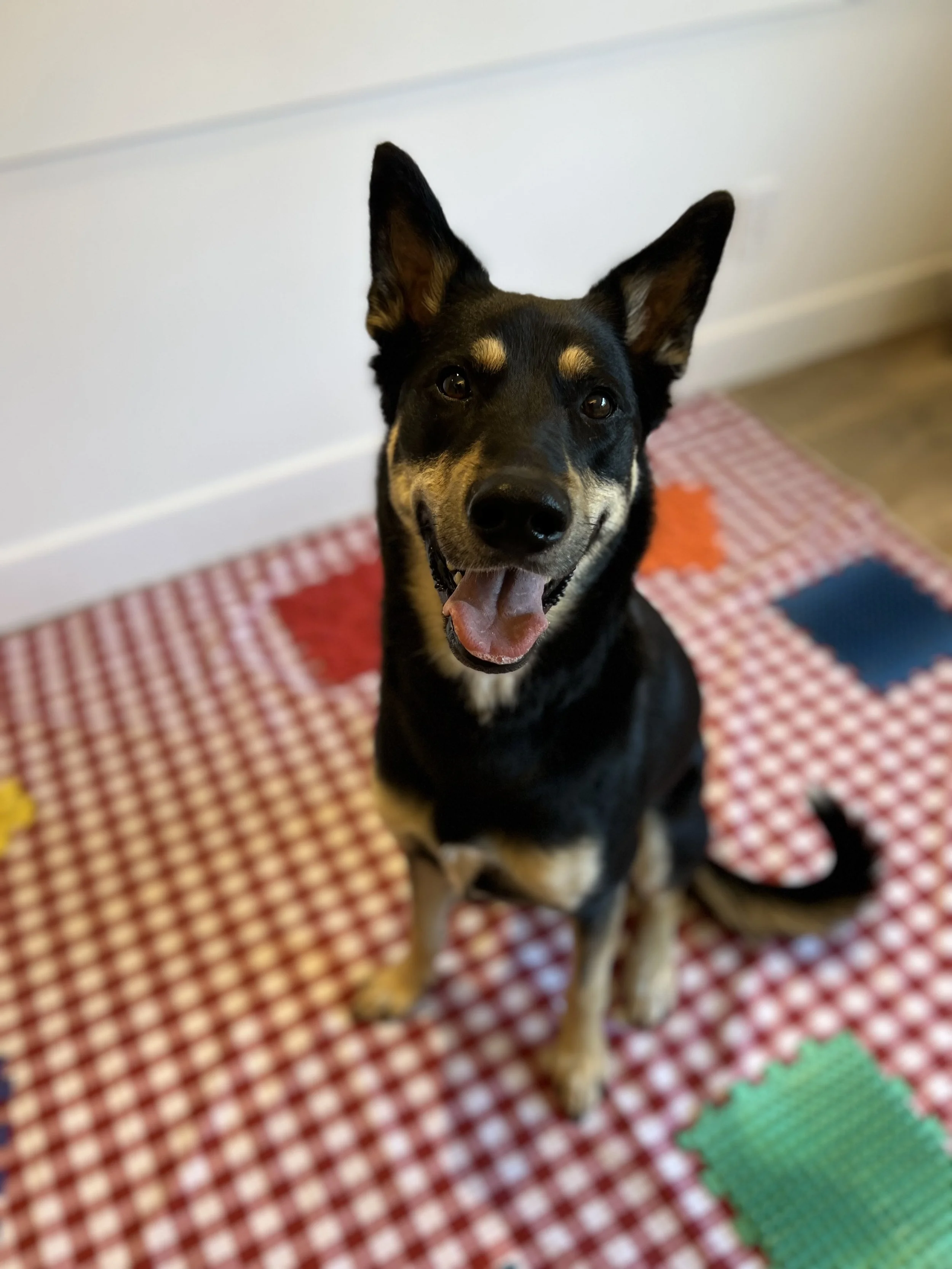
Raising a Confident City Puppy with Training in Port Moody
Raising a puppy in the city comes with extra noises, people, and surprises. A confident pup can handle all of that much more easily, which makes life less stressful for both of you. With the right plan, your city puppy can learn to stay calm, make good choices, and enjoy all the action around Port Moody.
We will walk through why confidence matters, how to socialize in real-life city spaces, which training skills your puppy needs, and simple games you can start right away. Our goal is to help you see confidence as something you can grow every day, not something you either get or do not get at birth.
Building a Brave City Pup From the Very First Walk
Summer days in Port Moody can feel big and busy for a young dog. There are crowded patios, kids running along Rocky Point Park, bikes on the paths, and boats and trains in the background. For a puppy who has just left the breeder or rescue, that can be a lot to take in.
Confidence is not just “this dog is bold” or “this dog is shy.” It is a skill built through many small, safe experiences that tell your puppy, “You are okay, and I am here to help you.” When you think that way from your very first walk, you see normal daily moments as training chances.
With thoughtful puppy training in Port Moody, city life starts to feel familiar instead of scary. Local support that understands the Tri-Cities rhythm, the busy times, and the quieter spots can make it easier to shape those early outings into wins for your pup.
Why Confidence Matters for City Puppies
A confident city puppy can look at something new and think, “Strange, but I can handle it.” That is the mindset we want for things like:
Traffic noises, buses, and trains
Strollers, wheelchairs, and bikes
Kids playing, shouting, or wearing helmets and backpacks
Dogs on leash passing at close range
Crowds at parks, markets, and waterfront paths
This kind of confidence makes everyday life smoother. Vet visits, grooming, and nail trims are less stressful when your dog is used to being gently handled and rewarded. Patio hangs and family barbecues are easier when your dog can settle on a mat instead of barking or jumping on guests.
Over time, a confident dog usually has fewer behaviour struggles like reactivity, constant fear, or over-arousal. You get a dog who can join more of your plans, from neighbourhood walks and coffee stops to longer day trips, without turning each outing into a battle.
Smart Socialization in Port Moody’s Summer Buzz
Healthy socialization is not about throwing your puppy into chaos and hoping they “get used to it.” True socialization means calm, positive exposure to the world, at your puppy’s pace. The goal is to pair new things with comfort, distance, and rewards so your pup feels safe.
In Port Moody, that can look like:
Early-morning walks at Rocky Point when it is quieter, giving space from joggers and bikes
Sitting on a bench where you can watch the waterfront from a distance while feeding tiny treats
Short visits to dog-friendly patios during off-peak times, focusing on resting quietly under the table
Parking or standing near, but not in, busy spaces like markets, then slowly moving closer if your pup stays relaxed
Think quality over quantity. Ten minutes of a calm, happy puppy watching the world and eating treats is better than an hour of overwhelm. In warmer weather, keep outings short, bring water, and give your pup breaks at home so their brain and body can reset.
Foundations of Effective Puppy Training in Port Moody
When the days are longer and we are outside more, it is a great time to start puppy training in Port Moody. Your dog is seeing the full “city package” early, so you can support them before they build strong habits on their own.
Core skills for a city puppy include:
Name recognition, so your dog checks in with you quickly
Attention around distractions, like food on the ground or other dogs
Loose-leash walking, especially on narrow sidewalks and shared paths
Recall, so your pup comes when called, even when something interesting shows up
“Leave it,” for dropped food, garbage, or wildlife
Calm behaviour while people, dogs, bikes, or skateboards pass nearby
Rewards-based training, with treats, toys, praise, and play, teaches your puppy that listening to you is fun and safe. When training includes enrichment, like sniffing games and problem-solving, your dog learns to handle frustration, think things through, and bounce back from small surprises without shutting down or exploding.
Building Everyday Confidence at Home and on the Go
Confidence does not only grow in a class. Your home and the daily walks are your puppy’s main training ground. Simple, playful moments can build your pup’s courage and comfort.
Try easy confidence-building games such as:
Treat scatters in the grass or on a mat, so your puppy uses their nose to hunt for snacks
Tiny “obstacle courses” with cushions, low boxes, or folded towels to walk over and around
Short handling sessions, where you gently touch paws, ears, and tail, then give a treat
For summer outings, plan simple, structured sessions:
Practice settling on a mat at a quiet café table for just a few minutes, then leave on a high note
Visit new neighbourhoods at quieter times of day and reward your dog for checking in with you
Stand at a safe distance from bikes, skateboards, or buses and feed many small treats while they pass
Watch your puppy’s body language. Early signs of worry include:
Tail tucked low, or held stiff
Ears pinned back
Freezing or refusing to move
Turning away, hiding behind you, or trying to escape
If you see these, give more space, lower the intensity, and make it easier. You are not “rewarding fear” by feeding treats. You are changing how your pup feels about the scary thing by pairing it with something good.
How Good Dog Supports Confident City Puppies
Raising a confident city puppy can feel like a big job, and you do not have to do it alone. At Good Dog, we focus on enrichment-based support that fits real life in Port Moody and Port Coquitlam.
Enrichment-based daycare gives puppies a chance to:
Practice social skills with other dogs in a supervised setting
Build comfort being away from their people for short periods
Learn that calm rest time, like crate or pen breaks, is part of a normal day
Our dog training programs are led by experienced trainers who understand the busy, dog-friendly nature of the Tri-Cities. We pay attention to things like local trails, popular parks, and the kinds of distractions your puppy will actually meet. Training is rewards-based and designed to build focus, resilience, and trust instead of fear or pressure.
Fear Free grooming helps many puppies stay relaxed with baths, brushes, and nail trims, so care routines do not become scary events. Luxury boarding gives dogs a positive, low-stress place to stay when families are away, which supports confidence and comfort in new environments.
Take the Next Step Toward a Confident Port Moody Pup
Using your everyday life as a training ground can turn your city puppy into a calm, confident companion who is ready for patios, parks, and neighbourhood fun. Thoughtful socialization, clear skills, and steady support help your pup feel safe in a busy world.
At Good Dog, we are proud to be part of that process for Tri-Cities families. With enrichment-based daycare, Fear Free grooming, luxury boarding, and puppy training in Port Moody guided by experienced trainers, we focus on helping dogs grow into relaxed, happy city companions who can enjoy years of local adventures by your side.
Help Your Puppy Grow Into A Confident, Well-Mannered Dog
If you are ready to build great habits from day one, our trainers at Good Dog are here to guide you and your pup every step of the way. Explore our group classes for puppy training in Port Moody to create a strong foundation in a fun, supportive environment. We focus on practical skills you can use in real life so you and your puppy feel more relaxed at home and out in the community. Book your spot today and start seeing positive changes in your puppy’s behaviour.