
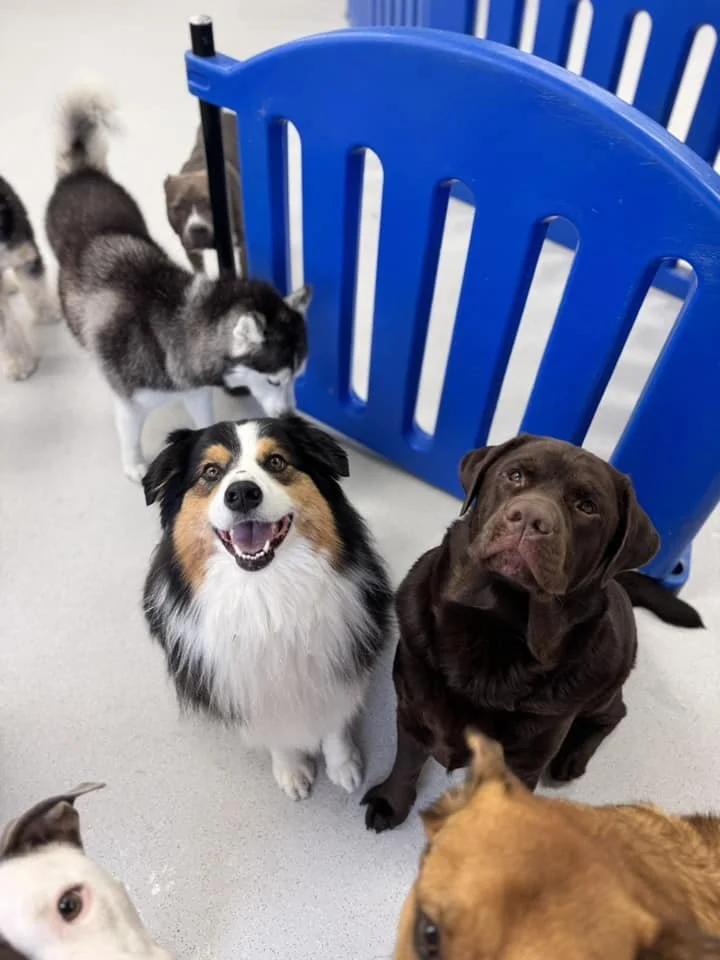
Confidently Plan Your Dog’s Stay Away From Home
Planning your dog’s first night away can feel a bit overwhelming, especially if you live in Port Coquitlam or Port Moody and you are used to having your pup by your side every day. A clear, practical dog boarding checklist helps you feel organized and gives your dog the best chance at a relaxed, enjoyable stay. When you know exactly how to prepare your dog for boarding, you can focus less on worrying and more on looking forward to a happy reunion.
Choosing local, enrichment-based dog boarding in Port Coquitlam means your dog gets more than just a place to sleep. Thoughtful play sessions, mental stimulation, rest times, and consistent routines support both physical and emotional wellbeing. At Good Dog, we offer daycare, boarding, grooming, and training under one roof, so we see every side of a dog’s needs. This guide is especially helpful if you are looking for first-time dog boarding tips and want step-by-step clarity on what to pack for dog boarding and how to set your dog up for success.
Health Essentials to Check Off Before Boarding
Before any stay, most boarding facilities require proof that your dog is healthy and protected against common illnesses. This protects your dog, other dogs in the building, and the team caring for them. In the Tri-Cities area, that usually includes core vaccines and protection against parasites that are common in our climate.
Typical pre-boarding health items to confirm with your vet include:
Core vaccines such as distemper, parvovirus, and rabies
Bordetella or other kennel cough protection, as recommended by your vet
Flea and tick prevention that is current for the full length of the stay
Regular deworming and general parasite checks
It is helpful to book a vet appointment well before busy travel dates so you have time to update any vaccines and collect written records. Boarding facilities ask for proof of vaccination because close contact in group settings increases the chance of germs spreading, just like at a school or daycare for kids.
Have an honest conversation with your vet about:
Your dog’s age and any age-related concerns, such as arthritis or reduced stamina
Past medical issues, including allergies, surgeries, or chronic conditions
Your dog’s typical anxiety levels, especially around strangers, new places, or other dogs
With that information, your vet can suggest calming strategies, feeding adjustments, or medication schedules that keep your dog more comfortable while boarding.
What to Pack for a Comfortable, Stress-Free Stay
Packing thoughtfully makes a big difference in how quickly your dog settles into their suite or rest area. The goal is to send enough of home to provide comfort, without overpacking items that could get lost or are not allowed by the facility.
Plan to pack:
Your dog’s regular food, pre-measured if possible, plus clear feeding instructions
Any medications and supplements in original containers, with written dosing times
Treats that you know your dog tolerates well, especially for training or settling
Comfort items are key for easing separation anxiety. Many dogs relax faster when they smell familiar scents. Consider adding:
A blanket, small bed, or crate mat that smells like home
A worn T-shirt or pillowcase that smells like you
One or two favourite toys and safe, facility-approved chews
Do not forget the practical gear that keeps your dog safe and easy to identify:
A secure collar or harness that fits well
A clearly labelled leash, ideally with your dog’s name
Up-to-date ID tags and any required city licence tags
If the team has suggested any grooming tools, like a specific brush for long coats, pack those in a labelled bag. When in doubt, ask what they recommend leaving at home so you keep things simple and organized.
Trial Daycare Visits, Crate Training, and a Smooth Drop-Off
Trial daycare visits are one of the most helpful ways to prepare your dog for boarding. Short, positive daycare sessions allow your dog to:
Get familiar with the building, sights, and sounds
Meet staff members in a low-pressure setting
Learn the daily rhythm of play, rest, and bathroom breaks
When your dog comes back for an overnight stay, the environment already feels known, which can reduce stress. At Good Dog, our enrichment-based daycare routines also help your dog build social skills and confidence before they spend the night.
Crate training at home is another powerful tool, even if your dog will stay in a luxury suite rather than a closed crate. Teaching your dog that a crate or contained space is a safe, calm place to rest makes it easier for them to relax when staff encourage downtime. Start with:
Short sessions in the crate paired with treats and chews
Gentle encouragement instead of forcing them in
Quiet praise when they settle, then gradual increases in time
On boarding day, a calm, predictable drop-off sets the tone. Typically, you will:
Review or sign check-in forms and confirm feeding and medication instructions
Answer a few health questions, such as when your dog last ate and how they are feeling
Hand over belongings that are clearly labelled
Keep your goodbye brief and upbeat. Long, emotional farewells can make your dog worry that something is wrong. A cheerful, confident handoff signals that this is just another normal part of life.
Pick-up is usually just as straightforward. Staff will share how your dog ate, slept, and played, plus anything they noticed about behaviour or health. After an enrichment-filled stay, many dogs are pleasantly tired and sleep more at home for a day or two, which is very normal.
How Good Dog Supports First-Time Boarders and Emergency Peace of Mind
First-time boarders need a bit of extra understanding. At Good Dog in Port Coquitlam, our focus is on enrichment-based care, hotel-style suites, and a low-stress environment where each dog is treated as an individual. Our experienced trainers and caregivers introduce new dogs to the space in a gradual way, watching their body language and adjusting group sizes or activities so they feel safe.
For many dogs, this looks like:
Short initial play sessions with calm, compatible friends
Plenty of rest breaks in their own space
Extra check-ins, gentle touch, and quiet reassurance
Some families want additional grooming or training support while their dog is already staying with us, and we can advise on which options fit your dog’s comfort level and routine.
Clear emergency and communication plans round out a complete dog boarding checklist. Before you leave your dog, have this information ready:
Your primary contact details and at least one backup contact
Your regular vet clinic’s name, address, and phone number
Detailed medication instructions, including what to do if a dose is missed
Ask how the facility handles updates. Some pet parents love photo and video check-ins, while others prefer a simple message if anything out of the ordinary comes up. Understanding when staff will contact you about health concerns helps you relax during your trip, knowing that there is a shared plan.
With thoughtful preparation, dog boarding in Port Coquitlam becomes far less stressful for everyone. When health requirements are handled, bags are packed with comfort in mind, trial daycare and crate training are in place, and communication is clear, your dog is set up for a happy stay and a tail-wagging reunion.
Give Your Dog a Comfortable Stay With Trusted Local Care
If you are looking for a safe, reliable place for your dog while you are away, we are here to help at Good Dog. Explore our dog boarding in Port Coquitlam options to find the right fit for your pup’s needs and routine. We will walk you through what to expect, answer your questions, and help you book the dates that work best for you.