
Finding the Right Everyday Care for Your Dog
Choosing everyday care for your dog is a big decision, especially if you work long hours, commute across the Tri-Cities, or live in a condo where your dog spends a lot of the day alone. Many Port Coquitlam guardians end up comparing dog daycare vs dog walker and wondering what will actually make their dog happier and calmer at home.
There is no single right answer. The best choice depends on your dog’s age, temperament, energy level, and how your typical week looks. You might be asking yourself, should I send my dog to daycare, or would a regular dog walker be enough? Or you may be looking for a dog walker Port Coquitlam alternative that gives more structure and enrichment. In this article, we will walk through how both options work, the pros and cons, costs, and how enrichment-focused dog daycare in Port Coquitlam, like what we offer at Good Dog, fits into the picture.
How Modern Dog Daycare Works in Port Coquitlam
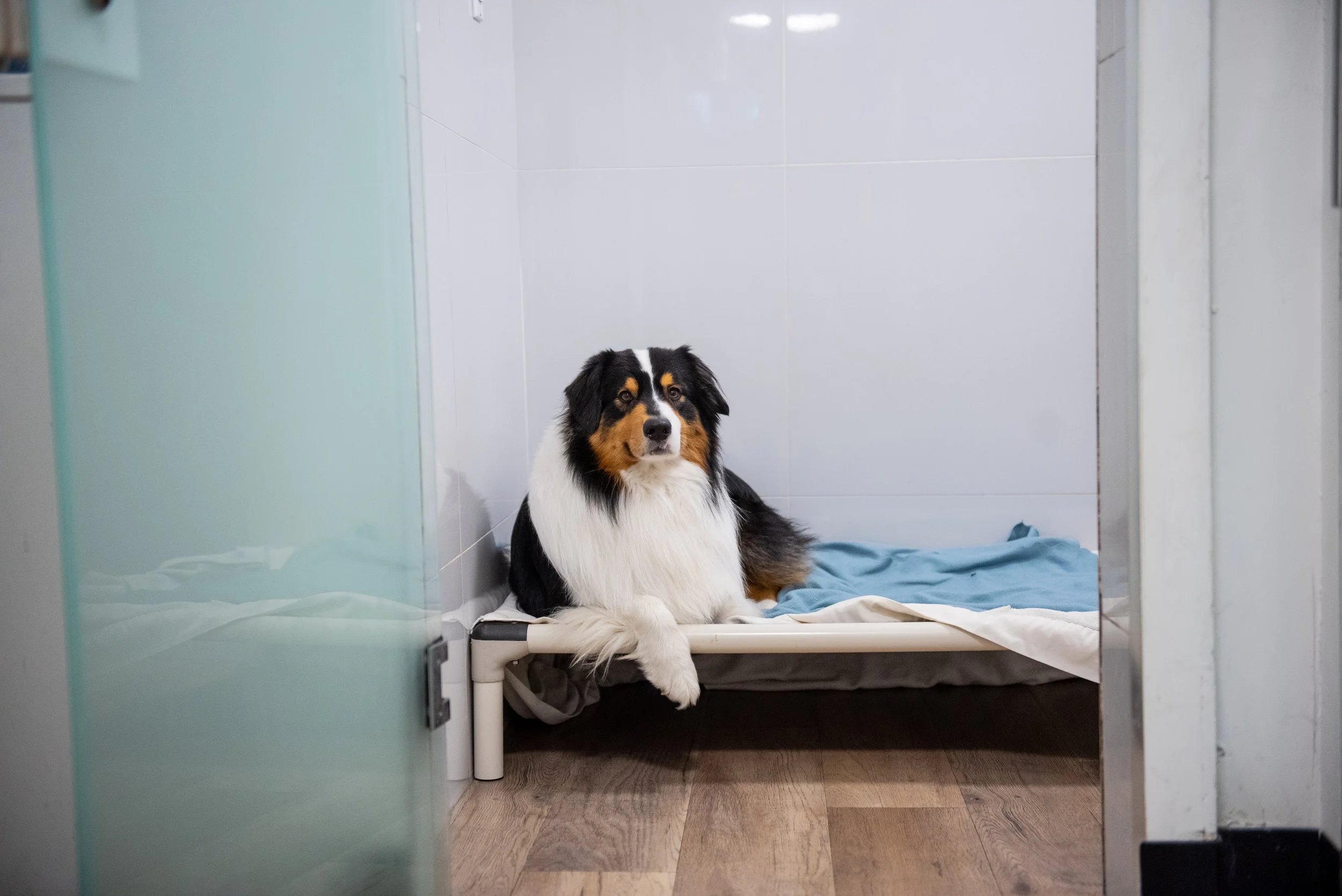
Modern dog daycare is very different from the old idea of one big room of dogs running non-stop. At an enrichment-focused dog daycare in Port Coquitlam, a typical day has a clear rhythm that supports both play and rest.
A day often includes:
Morning check-in and quick health and behaviour review
Small, matched playgroups based on size, age, and play style
Built-in rest breaks in quiet spaces
Enrichment games and low-key training practice
Supervised outdoor time for movement and fresh air
The main benefits of this style of daycare are structured socialization, mental stimulation, and safe physical exercise. Dogs learn how to interact politely with a variety of other dogs while staff supervise and guide play. They also get enrichment games, problem-solving activities, and short training moments that help tire them out mentally, not just physically. And instead of only pulling on leash for an hour, dogs can run, sniff, explore, and play in a controlled space with appropriate supervision.
Good daycare staff also pay close attention to how dogs are grouped. Rather than sorting by size alone, they typically consider multiple factors so each dog’s day feels supportive instead of stressful.
Group matching often considers:
Age and life stage, for example, puppy, adolescent, adult, senior
Play style, for example, gentle and wiggly, rough-and-tumble, chase games
Energy level and confidence
This kind of grouping protects shy dogs that need slower introductions, adolescent dogs that are still learning social skills, and high-energy dogs that need structured outlets so they do not tip into overstimulation. The result is a day that is busy but not chaotic, and fun without being overwhelming.
What a Dog Walker Offers Your Dog Day-to-Day
Dog walking in Port Coquitlam usually means a mid-day visit where a professional walker comes to your home to take your dog out, then settles them back in. Depending on the service, this might be a solo walk or a small group walk with a couple of compatible dogs.
A typical visit could include:
A short check-in and quick cuddle or play
A 30- to 60-minute walk in your neighbourhood or nearby trails
Potty break, water refill, and secure lock-up before they leave
The upsides of a dog walker are often most noticeable in how personalized and predictable the experience can be. Many dogs benefit from one-on-one attention, where the walk can match their pace and needs rather than fitting into a larger group routine. Walks also provide essential potty breaks, which is especially helpful for dogs who cannot comfortably hold it all day. For nervous, reactive, or recovering dogs, a thoughtful walker can choose quieter routes and create distance when needed, which helps keep stress lower.
At the same time, walking has some limitations that matter depending on your schedule and your dog’s needs. A walk is usually much shorter than a full daycare day, so socialization is typically more limited than it would be with supervised group play. Mental enrichment may also be lower unless the walker intentionally includes training and sniffing games. And for very long workdays, a single walk might not be enough company for dogs who struggle with being alone.
That said, dog walkers can be the perfect fit for many households, and a great option when daycare is not suitable or when you want to mix and match care through the week.
Dog Daycare vs Dog Walker: Pros and Cons at a Glance
Here is a simple way to compare dog daycare vs dog walker when you are trying to decide what your dog really needs.
Dog Daycare:
Pros:
Lots of socialization with carefully matched dogs
Structured enrichment and training games
More total hours of supervision and support
Consistent routine during your workweek
Great for dogs that struggle with alone time
Cons:
Not ideal for every temperament or very introverted dogs
Higher daily cost than a short walk
Vaccination and health requirements
Can be tiring or overstimulating if not managed well
Dog Walker:
Pros:
Individual attention and calmer environment
Good for seniors or dogs with mobility issues
Helpful for young puppies between vaccine boosters
Supportive for reactive or anxious dogs who need space
Cons:
Less total stimulation and supervision time
Does not fully replace group socialization and enrichment
May not cover very long days without additional visits
A simple rule of thumb is that daycare is usually best for social, higher-energy dogs that need a full day of activity, while a walker suits dogs that need gentler care or a shorter burst of exercise and company.
Which Dogs Benefit Most From Daycare or Walks
When you are wondering, should I send my dog to daycare, it helps to think about your dog’s personality and daily routine. Some dogs genuinely light up around other dogs and do best with a structured day that includes social time and supervised activity. Others prefer a quieter pace, or find group settings stressful, and are better supported through walks or a combination of services.
Dogs that often thrive in daycare include:
Social butterflies that enjoy meeting new dog friends
Young, energetic dogs that get bored or destructive when alone
Confident dogs that handle new environments without much worry
Dogs that need help building polite play and social skills
Dogs that may do better with walks, or a mix of both, include:
Seniors who prefer relaxed sniffy strolls
Dogs with significant anxiety, reactivity, or medical issues
Very introverted dogs that find groups stressful
Dogs brand new to group settings who need slow, supported introductions
Enrichment daycare can be a gentler alternative to traditional all-day free play. Instead of expecting dogs to play non-stop, the day is broken into short play sessions, rest, and activities that build confidence and calm. For some dogs, this structure makes daycare possible when a typical high-energy environment would be too much.
Cost and Value: Comparing Daycare and Dog Walking
When comparing dog daycare in Port Coquitlam with hiring a dog walker, it helps to think beyond the sticker price for a single visit. What you are paying for is not only time, but also the type of care, the level of supervision, and the overall impact on your dog’s day.
In general:
Group daycare usually costs more per day than a 30-minute walk, but covers many more hours of care.
Private or small group walks sit somewhere in the middle, with cost rising for longer visits or extra services.
The value side of the equation is often easier to see when you look at what the service includes across the full day. Beyond basic exercise, you may be paying for supervision, social experience, and structured activities that help your dog settle at home.
What you are really paying for includes:
Total hours of supervision and support
Socialization and relationship-building with both humans and dogs
Structured enrichment and training practice
Your own peace of mind while you are away
Many services offer:
Package rates or punch passes that lower the per-day cost
Multi-day or regular client discounts
Options to combine daycare with training or grooming for added value
A helpful way to compare is cost per hour of meaningful engagement. A slightly higher fee might actually give your dog a full day of activity and rest, rather than a short walk and then several more hours alone.
How to Evaluate Your Options in the Tri-Cities
Whether you are leaning toward daycare or a walker, asking good questions will help you feel confident in your choice. The goal is to understand how the provider keeps dogs safe, how they handle stress and behaviour, and what kind of structure your dog will actually experience.
Key things to compare:
Training and experience of staff or walkers, especially with body language and behaviour
Safety protocols, including secure handling and emergency plans
Insurance and clear policies around injuries or incidents
Useful questions to ask a provider:
How large are playgroups or walking groups?
How do you introduce new dogs and assess temperament?
What enrichment activities or training do you include?
How do you handle signs of stress, conflict, or overexcitement?
For walkers, how are dogs transported or paired, and what routes are used?
Whenever possible, visit daycare facilities in person, observe play from a distance, and notice how staff interact with the dogs. For walkers, a trial visit where you are home can give you a sense of their handling skills and communication style. Reading local reviews and checking policies around vaccines and behaviour assessments will also give you valuable insight.
Inside Good Dog’s Enrichment-Focused Daycare Approach
At Good Dog, our philosophy is enrichment-based, relationship-focused care. Our goal is not simply to tire dogs out, but to build them up so they go home more confident, calmer, and better understood.
We structure our daycare days with:
Small, thoughtfully matched playgroups
Planned rest periods in comfortable spaces
Enrichment games like scent work and problem-solving activities
Basic manners practice woven into daily routines
Individualized support for different ages, temperaments, and energy levels
Because the day includes movement, mental work, and social time within a safe facility, our daycare can be a dog walker Port Coquitlam alternative for many families who want more than a quick walk. At the same time, we know every dog is unique, so we encourage guardians to view daycare as one tool among many to support their dog’s wellbeing.
Give Your Dog a Safer, Happier Daycare Experience
If you are looking for a place that truly understands reactive or aggressive dogs, we are here to help at Good Dog. Our team is experienced in creating safe, structured play and rest times so every dog can feel secure and engaged. Discover how our specialised dog daycare in Port Coquitlam can support your dog’s unique needs. Reach out today to talk through your dog’s behaviour history and see if our approach is the right fit.