
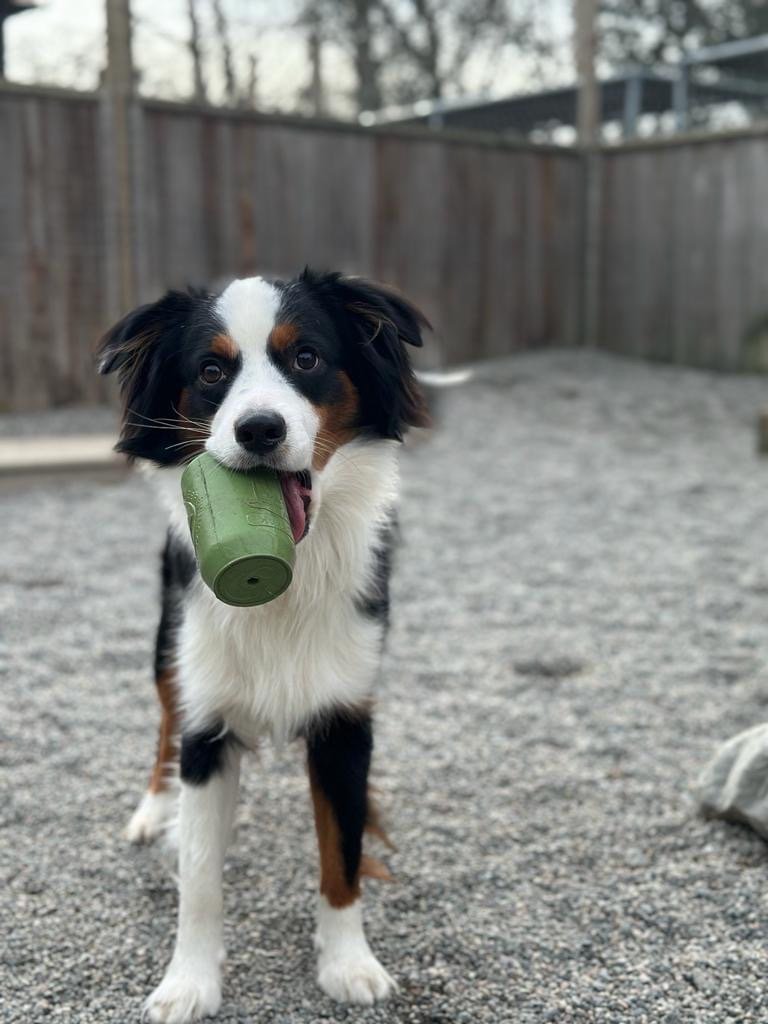
Help Your Shy Dog Feel Safe While You Are Away
Booking dog boarding in Vancouver, Canada can feel stressful when your pup is shy, sensitive, or slow to warm up. You want to travel without worrying, but you also want your dog to feel safe, not pushed into big wild groups or noisy spaces. The good news is that with the right prep and the right kind of boarding, even very reserved dogs can settle, rest, and even enjoy their stay.
As autumn rain settles in across Metro Vancouver and the Tri-Cities, people start planning Thanksgiving visits, weekend cabin trips, and early holiday travel. That often means dogs need a comfortable place to stay. At Good Dog, we focus on enrichment-based daycare, luxury boarding, grooming, and training that is stress-reduced and customized, so shy, young, senior, and special-needs pups can feel supported. Below, we will walk through how shy dogs experience boarding, how to choose a good fit, how to prepare, what to pack, and how to help your dog after they come home.
How Shy Dogs Experience Boarding Environments
A shy dog is not always a fearful dog. Some dogs are simply cautious or slow to warm up. They may hang back, watch quietly, and then join in once they feel safe. A truly fearful dog might try to escape, hide, or shut down when they feel unsure. Both types can do well in boarding, but they often need softer handling and more thoughtful space.
Common stress signals to watch for in new places include:
Lip licking or yawning when not tired
Tail tucked or held very low
Hiding behind you or under furniture
Freezing in place, refusing to move
Panting, pacing, or refusing treats they normally love
Busy kennels can feel overwhelming for these dogs. Constant barking, tight hallways, and lots of strangers walking past can be a lot at once. Quick handling, loud voices, and being put into big groups without a warm-up can make shy pups shut down or react.
That is why the environment matters so much. Quieter, enrichment-focused setups with:
Spacious indoor and outdoor areas
Smaller, well-matched play groups
Calm staff who move slowly and respect body language
can make a huge difference for shy or sensitive dogs. It is also important to remember that having a shy dog is normal. The goal is not to change who they are, but to give them a boarding experience that respects their feelings and lets them choose how much to interact.
Choosing Dog Boarding in Vancouver, Canada for a Shy Pup
In Metro Vancouver and the Tri-Cities, late October usually brings cool, rainy days and muddy parks. When you look at dog boarding in Vancouver, Canada, it helps to ask about:
Comfortable, climate-controlled indoor areas
Safe, well-drained outdoor spaces for bathroom breaks and sniffing
Dry, clean places for dogs to rest between outings
When you tour a facility, some helpful questions include:
How do you introduce new dogs to the space?
Do you have quiet zones or smaller groups for shy dogs?
What is your staff-to-dog ratio during the day and at night?
How do you handle dogs that shut down, hide, or refuse food?
Can you adjust the schedule or activities for nervous pups?
Having experienced trainers involved in daily care is a big plus. They can read subtle body language, suggest gradual introductions, adjust enrichment, and guide you on training support before and after the stay.
Look for enrichment-based care, not just open play. Helpful activities for shy dogs include:
Sniffing games and low-key nose work
Puzzle feeders and slow, calm snack times
One-on-one or small group social time
Giving dogs choices, like space to watch from a distance
Red flags to watch for:
No pre-boarding assessment or daycare trial
No quiet areas or options for dogs who do not enjoy large groups
Staff who do not ask about your dog’s history, triggers, or routine
Pressure to put all dogs into high-energy group play
Preparing Your Shy Dog Weeks Before Boarding
Good prep usually starts a few weeks before the stay. First, book a tour without your dog so you can watch how staff move, talk, and interact with the dogs in their care. Once you feel good about the space, plan:
A short daycare or trial visit
A half-day or single overnight before a longer trip
This slow intro lets your shy pup learn the sights, sounds, and smells before they stay for several nights.
At home, you can practice simple confidence-building skills like:
Mat work, teaching your dog to relax on a bed or mat
Calm crate or room time with a chew, so quiet time feels normal
Easy nose work games, like searching for treats in a small area
Ask the facility if you can send your dog with favourite treats so staff can pair those with new experiences. This helps the place start to predict good things.
Do a quick health and safety check before boarding:
Update required vaccines and parasite prevention
Gather your vet information and any emergency contacts
Note allergies, medications, mobility issues, and fears
Sharing details about your dog’s daily life is one of the kindest things you can do for a shy pup. Let the team know:
Feeding schedule and food preferences
Sleep habits and normal bathroom times
Comfort items that matter, like a specific blanket or toy
This helps create a custom care plan that feels familiar and soothing.
What to Pack and How to Handle Drop-off Day
Packing the right items can help your shy dog feel more secure. Helpful comfort items include:
A familiar bed or blanket that smells like home
A worn t-shirt with your scent
A couple of favourite toys or chews
Their regular food and treats to keep tummies calm
It also helps to write a one-page care summary with:
Feeding schedule and amounts
Medication details and timing
Bathroom routine and normal signals
Known triggers and what helps your dog settle
On drop-off day, your dog will look to you for clues. Try to stay calm, upbeat, and relaxed. Keep goodbyes short and light. Long, dramatic farewells can increase anxiety for both of you.
If possible, arrive at a quieter time of day so you are not rushed. Give yourself extra minutes to:
Review your dog’s needs with the team
Ask any last questions about the plan
Let your dog explore their suite or room with support from staff
At Good Dog, our team, including experienced trainers, uses fear-free, low-stress handling and gentle enrichment to help shy pups settle in. Many guardians find that getting a few photos, videos, or short updates can make it easier to relax during their trip.
Supporting Your Shy Dog After Their Boarding Stay
When your dog comes home, some decompression time is normal. Many dogs:
Sleep more than usual for a day or two
Are extra cuddly or a little clingy
Have mild appetite changes
Offer a quiet first day back with normal walks, simple enrichment games, and relaxed couch time. Try to avoid throwing your dog straight into busy dog parks or long hikes right away.
Talk with the boarding team about how your shy dog did. Ask what helped them relax, which activities they enjoyed, and any new stress signals they noticed. This information can guide future training and support.
Positive boarding experiences, especially those shaped by experienced trainers, can slowly build your dog’s confidence. Over time, repeat trial days and well-planned stays help shy pups feel that boarding is safe and predictable. If you know you will travel again, try to book ahead of busy seasons in Vancouver and the Tri-Cities so you can keep that calm, consistent routine going for your dog.
Give Your Dog a Safe, Comfortable Home Away From Home
When you cannot be there, we make sure your dog is cared for with the same attention and affection they enjoy at home. Our team at Good Dog provides structured play, rest, and supervision so you can travel with real peace of mind. Learn more about our approach to dog boarding in Vancouver, Canada and see how we tailor each stay to your dog’s needs. Reach out to book your dog’s stay and secure their spot today.