
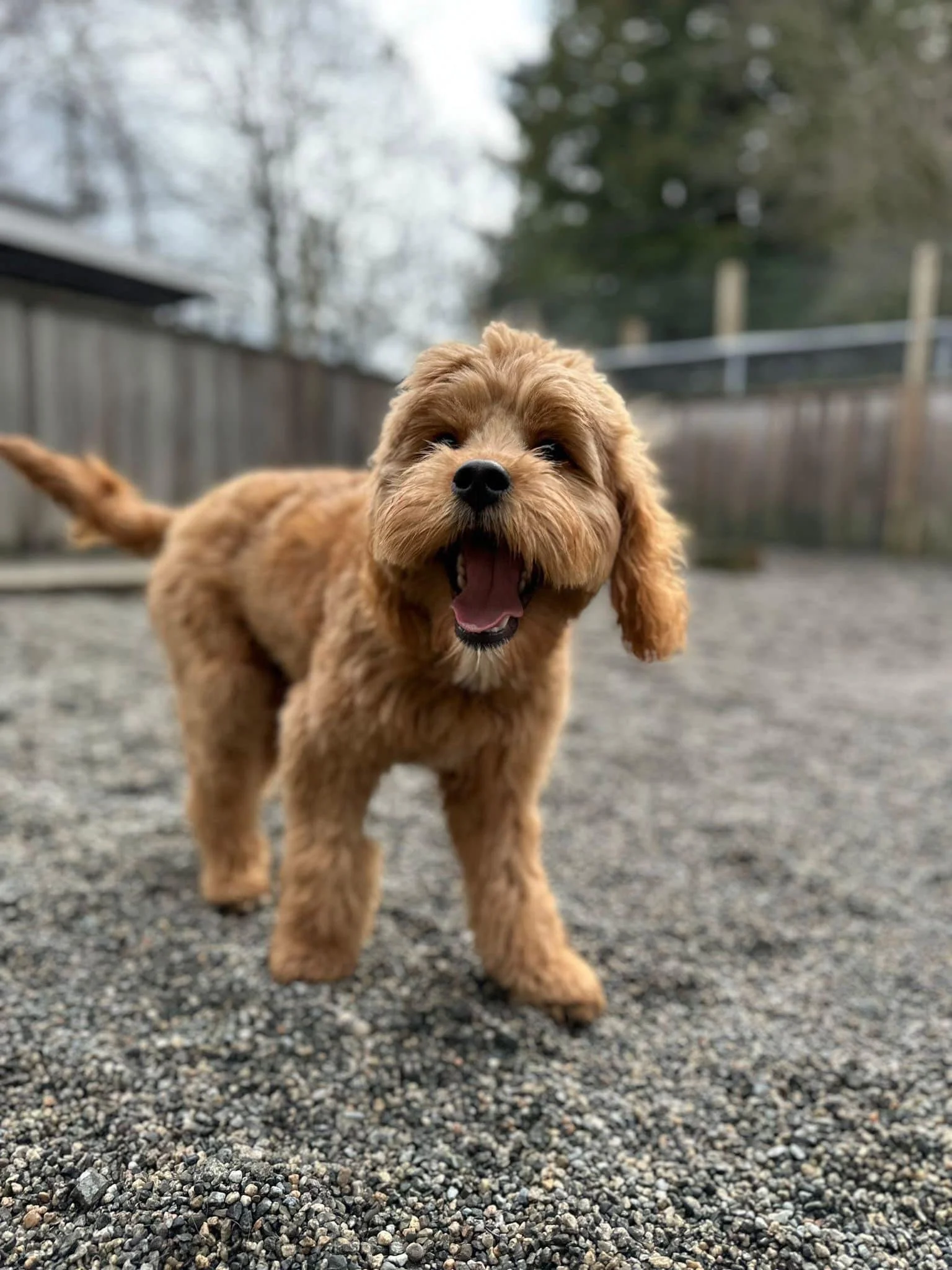
Set Your Dog up for a Stress‑Free Summer Stay
Planning a holiday is fun. Worrying about your dog while you are away is not. A little prep before boarding makes a huge difference for both you and your dog, especially when spots for holiday dog boarding in Port Coquitlam fill up fast. When you plan ahead, you avoid last-minute rushes for vaccines, meds, or bookings, and your dog gets time to feel ready too.
A vacation‑ready dog is healthy, calm, and used to the daycare or boarding routine. That means less stress at drop‑off, smoother playtimes, and better sleep at night. At Good Dog, we see how much easier it is on everyone when dogs know what to expect and feel safe with their caregivers. Think of it as packing your dog’s “confidence suitcase” before you pack your own.
Health Essentials Before Boarding Season Heats Up
First, make sure your dog’s health needs are in order. This keeps your dog safer and also protects every other dog sharing the space.
Most boarding centres in the Port Coquitlam area commonly require:
Core vaccines like DHPP
Rabies vaccine
Kennel cough vaccine when required by the facility
Ask your vet what your dog needs for group settings. Warmer months often mean more time on trails and in grassy areas, so talk about parasite prevention too. Flea, tick, and worm protection can help keep your dog more comfortable during and after their stay.
Medications and supplements matter just as much as vaccines. A few tips:
Pack all meds in clearly labelled containers
Include your dog’s name and exact dosage
Write out when each dose should be given
Add any notes about food, like “give with breakfast only”
If your dog takes joint support, skin supplements, or anxiety meds, keep those going during boarding. A quick vet check a few weeks before your trip is a good idea, especially if your dog is older, on long‑term meds, or has had recent health changes.
Do not forget records and contacts. Before drop‑off, gather:
Recent vet records and vaccine dates
Microchip number and registration details
Your regular vet’s contact info
A local emergency contact who can make decisions if you are away
Having clear instructions on file lets staff act quickly if something unexpected comes up, without needing to track you down right away.
Training Foundations That Make Boarding Feel Familiar
A dog who understands a few simple cues and feels okay with gentle handling will usually settle into boarding more easily. This does not have to be formal or fancy training. Short, fun practice at home goes a long way.
Focus on:
Sit and stay for a few seconds
Coming when called
Walking politely on leash
Letting someone touch paws, ears, collar, and tail area
These skills help with group play, safety checks, and grooming add‑ons. When dogs accept gentle handling, staff can clip leashes, check coats, and towel off muddy paws without stress.
Social skills are also important for holiday dog boarding in Port Coquitlam. Well‑run playgroups are supervised and matched by size, age, and play style. A well‑socialized dog usually:
Reads other dogs’ signals reasonably well
Can pause when things get too exciting
Enjoys play without getting overwhelmed or pushy
If your dog is shy, excitable, or new to group play, start with gradual exposure. Short daycare sessions or small groups guided by experienced trainers can help build confidence. Some dogs do best with more one‑on‑one time at first, then slowly join bigger groups when they are ready.
Separation practice is just as important as social time. Try:
Short trips out of the house without your dog
Staying calm and casual when you leave and come back
Giving a puzzle toy or chew as you go out the door
You want your dog to learn that good things still happen when you leave, and that you always come back.
Crate Comfort and Sleep Routines for Better Rest
Even if your dog does not sleep in a crate at home, most boarding settings have some kind of kennel or private rest area. Teaching your dog to relax in a crate makes boarding feel more like normal life.
Start by making the crate a happy place:
Leave the door open at first
Toss a few treats inside for your dog to find
Feed some meals in the crate
Add a comfy bed or blanket
Never use the crate as punishment. You want your dog to see it as a safe little den, not a place they get sent when they are “bad”.
Next, slowly build up closed‑door time. Sit near the crate, close the door for a short moment, then open it again and reward calm behaviour. Over a few days, increase the time and step away for a bit. The goal is for your dog to nap, chew, or just rest without fussing.
Sleep routines help too. Boarding facilities often have set nap breaks and regular bedtime hours. A couple of weeks before your dog’s stay, try:
A morning walk, mid‑day rest, and evening calm‑down time
Turning screens and loud noise down before bed
Offering a chew or gentle cuddle in the same spot each night
When your dog is used to this kind of rhythm, it is easier for them to relax into the boarding schedule.
Drop‑Off Practice and Smooth Goodbyes
The first time your dog walks into a new place should not be the day you leave for a long trip if you can help it. Trial visits make a huge difference.
Use daycare days or half-days as practice runs. These shorter visits help your dog:
Get used to the sights, sounds, and smells indoors and outside
Meet staff in a low‑pressure way
Try out playgroups for a few hours, not days
By the time an overnight stay comes around, the place feels familiar instead of scary.
When drop‑off day arrives, aim for calm, confident goodbyes. Dogs pick up on our body language and tone. Try to:
Keep your voice light and cheerful
Avoid long, emotional hugs or sad faces
Hand the leash to staff and let them guide your dog in
A quick, upbeat goodbye tells your dog, “You are safe here, and this is normal.”
Packing the right bag also helps your dog settle faster. Include:
Pre‑portioned meals in labelled containers
Current meds and supplements with clear written instructions
One or two favourite toys
A blanket or T‑shirt that smells like home
Written notes on feeding, allergies, and daily routines
Not every comfort item can go into group spaces, but familiar smells often help dogs relax in their sleeping area.
Partner with Good Dog for a Relaxed Summer Getaway
Holiday dog boarding in Port Coquitlam is much smoother when you prepare health, training, crate skills, and drop‑off habits before you go. With some planning, your dog can enjoy their own “vacation” while you enjoy yours, without worry on either side.
At Good Dog, our experienced trainers and care team focus on enrichment‑based care, fear‑free grooming, and safe, thoughtful play in our indoor and outdoor spaces. We are here to help you build a pre‑boarding plan that suits your dog’s age, energy level, and comfort needs, so your next getaway feels relaxed from the moment you book your trip to the moment you walk back in the door.
Give Your Dog a Happy, Stress-Free Holiday Stay
If you are planning a trip and want your dog to feel relaxed and well cared for, our holiday dog boarding in Port Coquitlam is designed to feel like a second home. At Good Dog, we focus on safe group play, attentive supervision and routines that match your dog’s needs. Reserve your spot now so your dog has a comfortable place to stay while you enjoy your holiday with peace of mind.