
Choosing Dog Boarding Vancouver Travellers Can Trust Long-Term
Finding dog boarding in Vancouver, Canada that feels right can be tough. Travel for work, winter getaways, or family visits back East often means leaving your dog behind, and that can bring a lot of worry. You want to enjoy your trip, not spend the whole time refreshing your phone and stressing about how your dog is doing.
This guide walks through what to look for in long-term boarding support, how enrichment-based care works, and why building a steady relationship with one facility can make every future trip easier on both you and your dog.
Why Long-Term Trust Matters More Than One-Off Stays
If you travel often, your dog needs more than a place to sleep for a few nights. They need a second home they know well. When you keep coming back to the same boarding facility, your dog can relax faster each time.
Here is what long-term trust can do for your dog and for you:
Less stress and anxiety because the environment, people, and routines feel familiar
Fewer behaviour setbacks, like clinginess or accidents, after they come home
Smoother drop-offs and pick-ups, since your dog understands what is happening
With repeat stays, staff can slowly build a full picture of your dog. They learn:
Energy level and play style
Health quirks and early signs that something is off
What comforts your dog when they feel unsure
That kind of history makes it easier to notice small changes before they become big problems. It also helps keep manners and training on track, instead of having your dog pick up habits you then have to undo at home. Regular guests are often easier to fit in around busy times like winter holidays and spring break, because the relationship is already there.
Key Safety and Welfare Standards You Should Always Check
Before you book any dog boarding in Vancouver, Canada, it helps to know what basic safety and welfare standards to ask about. A good facility should be happy to explain how they keep dogs safe and comfortable.
Core safety pieces include:
Secure fencing and controlled entry and exit points
Supervised playgroups, with dogs matched by size and play style
Clear vaccination requirements
Clean, well-kept indoor and outdoor areas
Staff-to-dog ratio is another big one. Enough people on the floor means better supervision during group play and calmer, safer handling. Ask if there is human supervision at all times, including overnight.
Welfare is not only about physical safety. It also includes low-stress, kind handling. Practical signs of this are:
Slow, gentle introductions to new dogs and people
Staff who watch body language and give nervous dogs space
Choice-based interactions, where dogs are not forced into play
Quiet rest areas away from heavy noise and traffic
You can also ask about:
Emergency protocols and how fast they act if something seems wrong
Which vet they work with in case of urgent care
How and when they will update you if your dog is sick or injured
At an enrichment-based facility, safety is paired with structured activity and rest. Instead of nonstop chaos or long, boring days in a kennel, dogs rotate through play, brain games, and naps so they stay balanced and relaxed.
What Enrichment-Focused Boarding Looks Like Day to Day
Enrichment is simply giving dogs chances to use their minds, bodies, and senses in natural, fun ways. For boarding, this can turn a stressful time into what feels more like a dog camp than a holding space.
A typical enrichment-style day might look like:
Morning check-in and relaxed introductions to the day’s playgroup
Small-group play with dogs that have similar sizes and play styles
Scent games, like searching for treats or toys
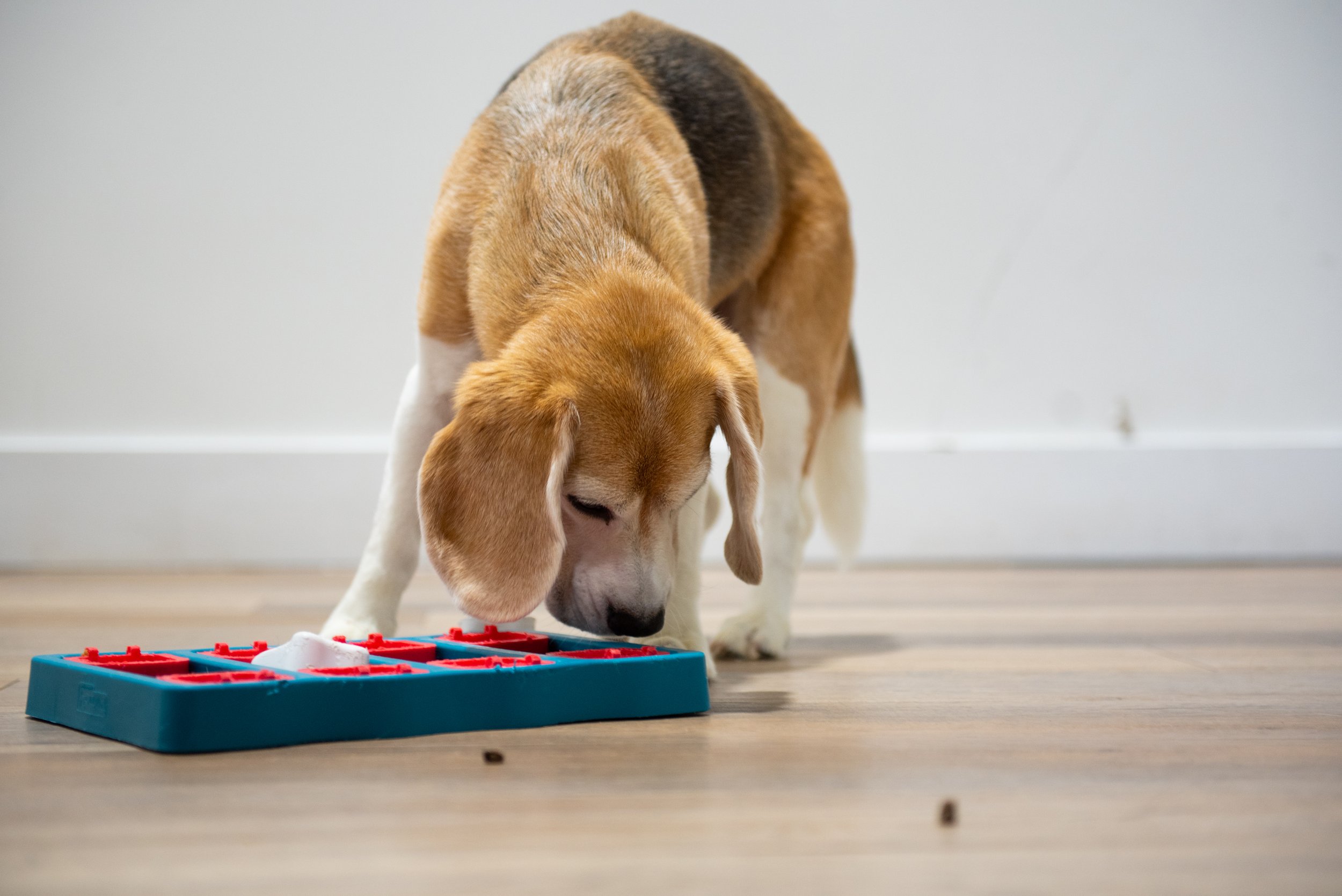
Puzzle feeders or slow feeders at meal times
Short training sessions to practise simple cues and polite manners
Planned rest periods in comfy, quiet areas
Calm evening routine so dogs can wind down for the night
This kind of day helps prevent common problem behaviours in more traditional setups, such as constant barking, fence running, or chewing from boredom. When experienced trainers are part of the team, they can support:
Soft social skills with other dogs
Confidence around new sounds and surfaces
Reinforcing cues your dog already knows, like sit, down, or recall
Enrichment is especially helpful for winter boarding. On dark, rainy, or snowy days when long outdoor walks are harder, indoor games and training keep your dog mentally tired and content.
How to Assess If a Boarding Facility Fits Your Dog
Every dog is different, so the “best” boarding choice is really about the best fit. Before you book, think through your own dog’s needs:
Age: puppy, adult, or senior
Energy level and how fast they tire out
Social comfort with other dogs and with new people
Medical needs, including meds or mobility issues
Training goals and habits you want to maintain
Then, look for a facility that can match those needs. A pre-trip visit is very helpful. A tour or a trial daycare day lets your dog sniff around, meet staff, and have a short first experience before a full vacation stay.
During that process, good questions to ask include:
How large are playgroups and how are they matched?
What does the daily schedule look like, including rest times?
How are feeding routines and food changes handled?
How are medications stored and given?
Will you get photo or video updates while you are away?
How are special requests, like extra breaks or certain games, managed?
Clear, simple communication is usually a good sign. You should understand the structure, what is included, and what extra services are available, such as grooming or training while your dog boards. If you live in the Tri-Cities and commute into Vancouver, locations in Port Coquitlam or Port Moody can make drop-off before an early flight or late pick-up after a long haul much easier.
Planning Holiday and Winter Travel with Less Stress
Travel from the Vancouver area can be unpredictable, especially in late fall and winter. Weather on mountain highways, airport delays, or changed flights can all affect when you get home. Planning your dog’s boarding with this in mind can remove a lot of stress.
Helpful steps when booking for peak seasons:
Reserve early for winter holidays and spring breaks, since quality spots fill fast
Ask about waitlists and what happens if your return is delayed
Confirm pickup and drop-off windows so you can plan around flights
Before you leave, put together a simple “boarding kit” that includes:
Up-to-date vet records and vaccine info
Enough of your dog’s regular food for extra days, just in case
Written notes about routines, quirks, and comfort items
Contact details for you and a local backup person
Winter boarding can also be a good time to build your dog’s comfort with a facility. Short off-season stays or daycare days make longer trips later feel easy. When boarding is paired with grooming or some focused training, many dogs come home not only tired but also clean, more confident, and settled, like they had their own little staycation.
Give Your Dog a Comfortable Home Away From Home
If you are planning a trip and want your pup to be safe, relaxed and well cared for, we are ready to help at Good Dog. Our experienced team provides personalized care, plenty of enrichment and a secure environment so you can travel with confidence. Learn more about our services and reserve your spot for dog boarding in Vancouver, Canada today.