
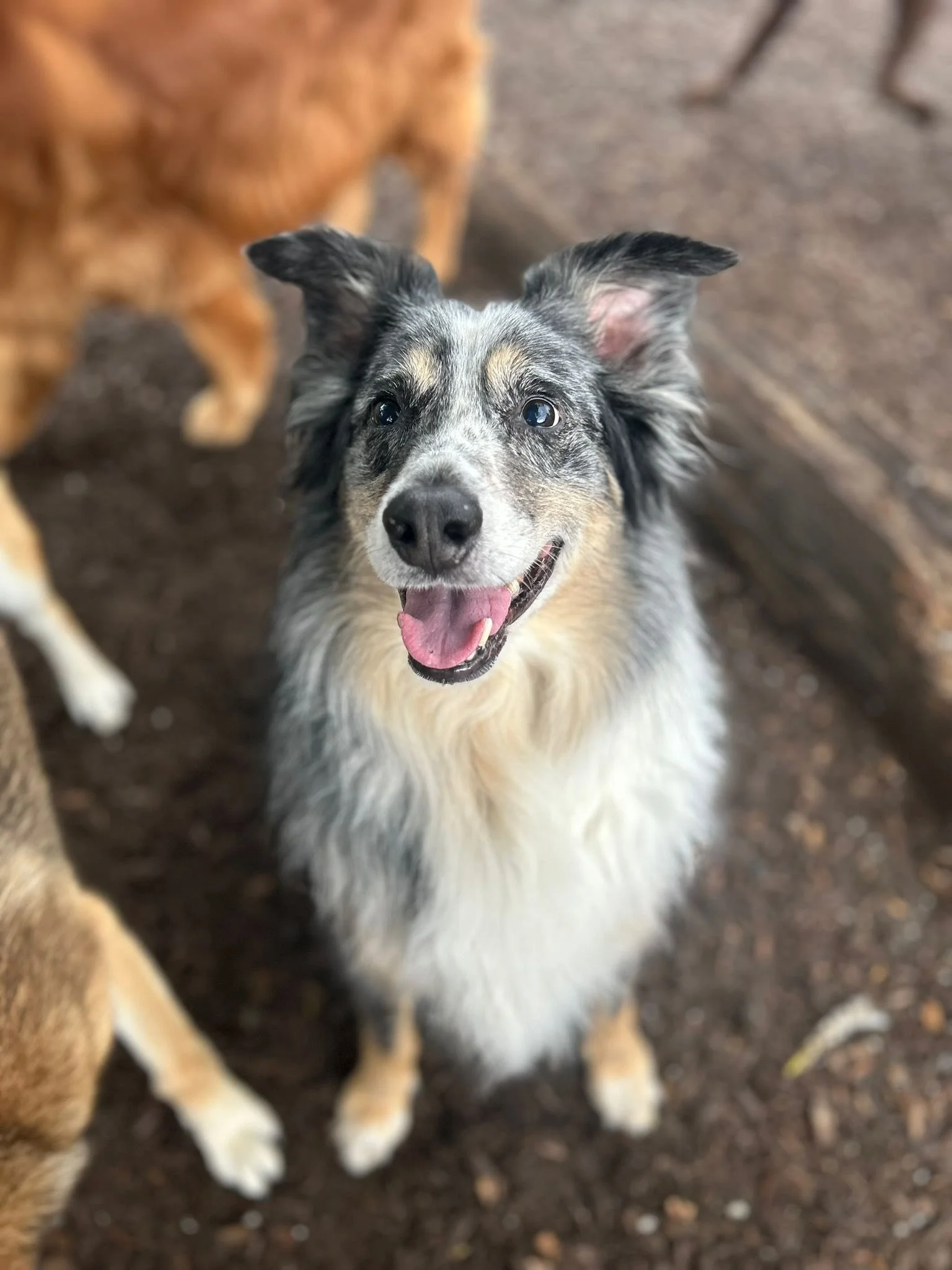
Stress-Free Summer Getaways for You and Your Dog
Vacation plans feel a lot lighter when you know your dog will be safe, happy, and well cared for. When you plan vacation dog boarding in Port Coquitlam ahead of time, your dog gets a smooth, low-stress experience and you get to relax without worrying.
At Good Dog, first-time boarding guests are common, and most settle in faster than their families expect. A typical day includes enrichment-based play, planned rest times, supervised social groups, and one-on-one attention with our care team. Dogs are kept busy in healthy ways, with space to nap and reset so they do not get overwhelmed.
In this guide, we will walk through what to pack, how to share feeding and medication instructions, what to expect at drop-off and pick-up, and how our experienced trainers and team support nervous, senior, or sensitive dogs during their stay.
Boarding Basics for First-Time Travelers
Before you pack a single thing, it helps to know what boarding at Good Dog actually looks like. Dogs spend their days moving between spacious indoor and outdoor areas, depending on the weather and their needs. Playgroups are supervised, and our team focuses on low-stress, enrichment-based care that fits different ages, sizes, and temperaments.
Some families wonder if boarding is the right choice or if in-home pet sitting might be better. Vacation dog boarding in Port Coquitlam can be a good fit if your dog:
Is comfortable around new people and dogs, or can warm up with gentle support
Is healthy enough for supervised play and group activity
Can handle short periods away from you without panicking
If your dog has severe separation anxiety or serious medical issues, talk with us ahead of time so we can help you sort through options. Many dogs who are a bit clingy at home still do well in a structured, predictable setting when they are supported calmly.
A little prep goes a long way:
Book a meet-and-greet or daycare trial, so your dog is not arriving for the very first time on a long stay
Confirm that vaccines and flea or tick prevention are up to date
Reserve your dates early, especially for August and long weekends, since space can fill up
What to Pack for a Comfortable, Safe Stay
Packing smart keeps your dog comfortable and helps our team care for them safely. Start with basics that every boarding dog should have:
Flat collar with ID tag, plus a secure harness and leash
Enough of their regular food for the entire stay, plus a little extra
Clearly labelled containers or bags with your dog’s name and feeding info
Any daily supplements or prescribed medications in original containers
Comfort items from home can make a big difference for first-time travelers. Many dogs relax faster when they have:
A familiar blanket or bed that smells like home
A worn T-shirt or small item that smells like you
A favourite, durable toy that is not easy to shred
For safety, we may limit certain items in shared play spaces, such as small toys or anything your dog might guard. These can sometimes stay in your dog’s sleeping area instead.
Summer in the Tri-Cities can get warm, so think about hot-weather comfort too. You might want to:
Talk with your vet about safe cooling items like bandanas
Let our staff know if your dog is heat-sensitive or a brachycephalic breed
Make sure your dog arrives hydrated and has had a normal walk and potty break before check-in
Feeding, Meds, and Health Notes Staff Really Need
Clear feeding instructions help your dog keep a normal routine and reduce tummy upsets. Please write it all down in simple steps. Be sure to include:
Exact food brand and flavour
Portion size for each meal, including measuring cup size
Normal feeding times and any snack or treat limits
Notes about free-feeding or food-guarding tendencies
Medication and supplement details are just as important. Keep meds in original containers where labels are easy to read, and include:
Name of medication and what it is for
Exact dosage and timing
How your dog usually takes it, for example in food, a pill pocket, or by hand
Any meds that are time-sensitive or have special instructions
Please also tell us about:
• Allergies or sensitive stomach
Mobility issues like stiff joints or trouble with stairs
Fears of storms, fireworks, or loud noises
Any history of reactivity or worry around certain types of dogs
Our experienced trainers and care team use this information to set up safe play groups, plan rest times, and watch for early signs of stress so we can support your dog gently.
Drop-Off and Pick-up Routines That Keep Dogs Calm
Drop-off day tends to feel big for humans, but we can make it easier for your dog. Try to keep their morning routine as normal as possible: same wake-up time, same breakfast, same short walk. In the car, keep things calm, with safe restraint and relaxed energy from you.
Plan a little extra time for check-in so you are not rushed. We will review forms, feeding and medication details, and answer quick questions. When it is time to say goodbye, keep it upbeat and brief. Long, emotional farewells can make dogs more anxious.
After you leave, our team works behind the scenes to help your dog settle. That might include:
Slow, staff-led introductions to other dogs
Extra quiet decompression time if your dog is shy or nervous
Careful monitoring during the first few hours to check comfort levels
Pick-up day can feel exciting and a bit tiring for dogs. At check-out, we will go over how your dog did and share anything helpful for next time. At home, your dog might:
Need extra naps for a day or two
Have a slightly softer stool from excitement and schedule changes
Feel extra cuddly or a bit wired
Give them a calm evening, normal meals, and gentle walks, and ease back into your usual routines over a couple of days.
Build Your Dog’s Boarding Confidence Before You Go
If this is your dog’s first big stay away from home, you can help them feel ready. Practice runs make a huge difference, especially for puppies, rescues, or dogs who have mostly been with you 24/7. You might:
Book a few daycare days
Try a short overnight before a longer holiday
Plan these visits close enough together that your dog remembers the space and staff
At home, everyday training and enrichment can also support easier boarding. Some helpful skills include:
Resting calmly in a crate or on a mat
Short, planned separations from you in another room
Calm goodbyes and calm returns, with rewards for relaxed behaviour
Our team at Good Dog pays attention to your dog’s comfort level each time they visit. We can adjust play groups, plan more one-on-one time, and build a personalized plan so vacation dog boarding in Port Coquitlam feels more and more like a holiday for your dog too.
Give Your Dog a Comfortable Holiday While You’re Away
If you are starting to plan your next trip, now is the perfect time to reserve trusted care for your dog with Good Dog. Our experienced team provides structured fun, rest and enrichment so your pup enjoys their own getaway with our vacation dog boarding in Port Coquitlam. Reach out today to secure your dates and give yourself peace of mind knowing your dog is in capable, caring hands.