
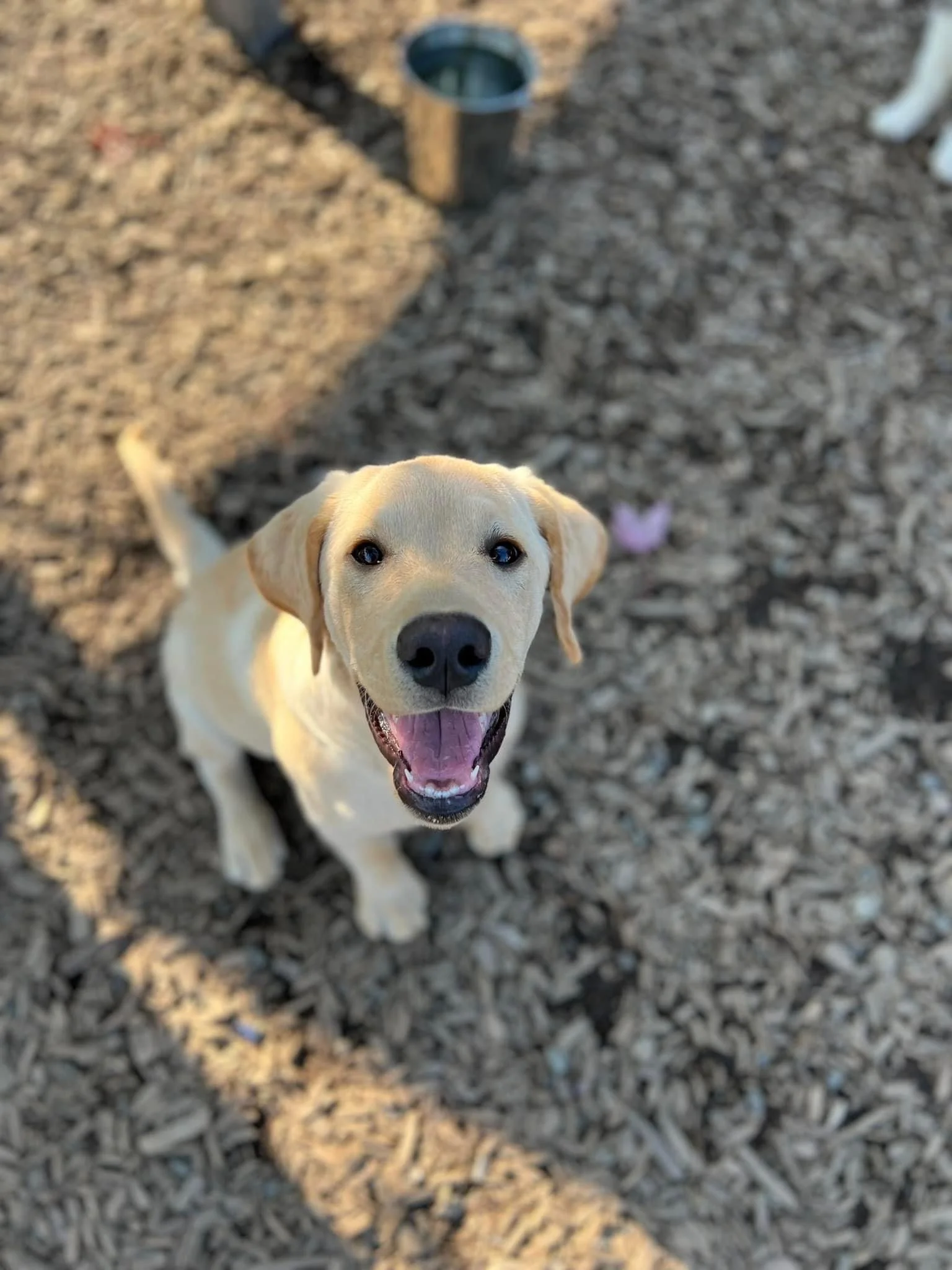
How Daycare Puppy Training Builds Better Family Dogs
Puppy training in Tri-Cities daycare can turn a chaotic season with a young dog into something a lot more manageable. When you are dealing with sharp puppy teeth, zoomies at the worst times, and surprise puddles on the floor, it can feel like too much. Add busy workdays, kids’ activities, or weekend trips and it is easy to fall behind on training, even with the best intentions.
Daycare-based training gives your puppy structure and learning while you handle your day. Instead of spending long hours at home practicing bad habits, your pup can have safe social time, potty breaks on a routine, and short training sessions with experienced trainers. You get support during the day, then come home to a puppy who is a little calmer and a little more confident.
At Good Dog, we use an enrichment-based approach. That means we focus on building confidence, teaching clear manners, and handling every puppy kindly. We do not rely on harsh corrections. We use reward-based methods, fear-free handling, and lots of thoughtful activities that work your puppy’s brain as much as their body. Let us walk through what actually happens during puppy training in Tri-Cities daycare, from the daily schedule to the skills and social confidence your puppy can gain.
What a Typical Puppy Training Day Really Looks Like
A training day starts the moment your puppy walks through the door. We want arrivals to feel calm and predictable, not like a wild party. Puppies are checked in, brought to an appropriate area, and given a chance to settle before they meet any new friends.
A general flow often looks like this:
Morning potty break and calm sniff time
Small-group or paired play, matched by size and style
Short training bursts for manners and listening skills
Midday rest, often in crates or quiet pens
Afternoon enrichment games and more training
End-of-day decompression before pick-up
Our experienced trainers pay close attention to group dynamics. High-energy puppies might play together for a short time, then move into one-on-one work or puzzle toys so they do not get too amped up. Shyer puppies may start with a single calm friend or hang out near the group while building comfort at their own pace.
Routine is especially helpful when family schedules are changing, like during late summer or when school starts. At daycare, puppies get consistent:
Potty breaks on a schedule
Practice resting quietly even when life is busy around them
Regular times to move their bodies and use their brains
We track how each puppy is doing and adjust as they grow. A very young puppy might spend more time resting and working on gentle handling. An older, confident pup might be ready for longer training games or trick work. We talk with families about their goals, then weave those into the day.
Social Skills and Confidence Building with Other Dogs
Early socialisation shapes how your puppy will feel about the world for the rest of their life. Puppy training in Tri-Cities daycare gives controlled, positive exposure instead of the chaos that can happen at busy dog parks. The goal is not just “tired,” it is “better at making good choices.”
Our trainers watch body language closely. Some signs we look for are:
Loose, wiggly bodies versus stiff, tense posture
Happy, bouncy play bows versus pinning or chasing that looks one-sided
Puppies taking breaks on their own
Ears, tails, and faces that show when a puppy is unsure
If things start to get too rowdy, we step in early. We might call a quick break, reward puppies for coming away, and reset the energy. Shy pups learn that moving away or hiding behind a trainer is allowed and respected. Bold pups learn that polite play gets them more fun, while pushy behaviour makes the game pause.
Socialisation is not just about dogs. During daycare days, puppies may:
Meet different people with different voices and movement styles
Hear new sounds like grooming tools or kitchen noises
Move through varied setups, like gates, different flooring, or basic equipment
In a community with busy parks, outdoor eating areas, and shared paths, these exposures help puppies stay calmer around everyday distractions. We want them to think, “I have heard and seen something like this before, and it was fine.”
Foundational Skills Puppies Learn During Daycare
During puppy training in Tri-Cities daycare, we focus on everyday skills that make life smoother for families. Common behaviours we work on include:
Responding to their name
Coming when called in easy situations
Sitting and lying down on cue
Polite greetings without jumping
Early loose-leash basics, like following beside a person
Waiting at doors and around food or toys
Training sessions are short and fun. Puppies learn best in tiny bursts with lots of rewards and breaks. Instead of one long “class,” we sprinkle mini lessons throughout the day. That might look like practicing sit while waiting for a door to open, or rewarding eye contact before a puppy is allowed to go play.
Enrichment is a big part of our days too. We use things like:
Puzzle feeders
Easy scent games
Simple confidence courses with low platforms or tunnels
Chew items chosen for safe, calm chewing
These activities help your puppy think, problem-solve, and relax. A mentally worked puppy is less likely to invent their own hobbies like chewing the sofa or barking at every sound. Seasonal skills matter as well. For example, we may practice:
Settling on a mat, which helps during patio visits or backyard hangouts
Staying calm while people walk by with food or drinks
Handling different routines as your daily schedule shifts
How Puppy Daycare Training Supports House Manners at Home
Daycare training works best as a team effort. We can build strong foundations during the day, but puppies need the same rules and rewards at home to keep making progress. Think of daycare as a support system, not a magic wand.
Our trainers share feedback at pick-up so you know what your puppy worked on and how they did. We often suggest simple at-home habits like:
Using the same cue words we use at daycare
Rewarding the same good behaviours your puppy practices with us
Keeping potty and meal routines as steady as possible
Structured potty breaks and crate time during the day support house training and better sleep. Puppies learn that there are clear times to play, toilet, and rest. This makes it easier for them to settle at night or relax when left alone at home.
For common issues like jumping or mouthing, we tackle the problem from both sides. In daycare, we prevent your puppy from getting rewarded by jumping on people and show them that sitting politely gets attention. Then we explain how you can respond in the same way at home so your puppy gets one clear message, not mixed signals.
Choosing the Right Puppy Training in Tri-Cities Daycare
Not all daycare options are the same, especially when it comes to young puppies. When you are comparing puppy training in Tri-Cities, it helps to look for:
Experienced trainers on-site during the day
Small, well-managed groups instead of overcrowded spaces
Clean, safe play areas and clear potty routines
Gentle, reward-based handling and grooming
Regular updates and honest communication with owners
At Good Dog, we focus on enrichment-based care and fear-free handling. Our aim is to build puppies that are confident, curious, and polite, not just tired from running. We care about how your puppy feels, learns, and behaves, both in our space and in your home.
Taking the time to tour a facility, ask about a typical day, and talk about your puppy’s needs can make all the difference. When you choose a daycare that matches your values, you give your puppy a strong start as a happy, well-adjusted family dog.
Help Your Puppy Build Great Habits From Day One
If you are ready to give your new pup the best start, we are here to guide you with patient, positive instruction. At Good Dog, we focus on building skills that fit your real life, from polite greetings to calm walks around the neighbourhood. Explore our puppy training in Tri-Cities to see how we can support you and your dog through every stage. Reach out today so we can put together a training plan that helps your puppy grow into a confident, well-mannered companion.