
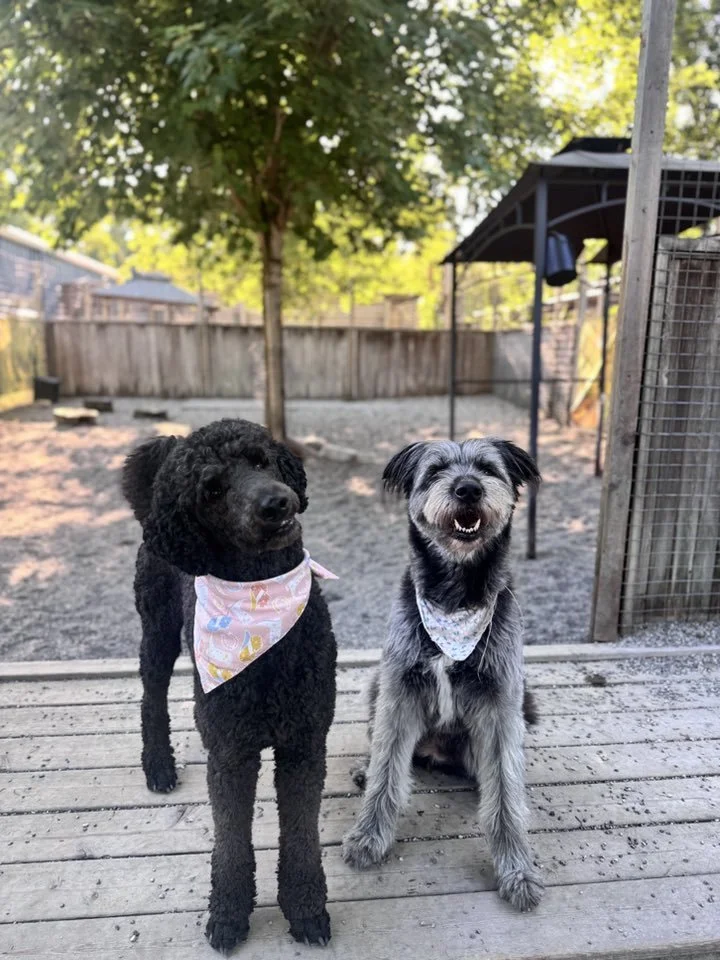
Help Your Reactive Dog Thrive at Daycare
Reactive dogs can make everyday life feel tricky. Barking, lunging, spinning at the end of the leash, or getting stuck in overarousal is intense for both the dog and the human. This behaviour is usually driven by big feelings like fear, frustration, or excitement, not by a wish to hurt anyone. That is what makes reactivity different from true aggression.
Many guardians want their dog to enjoy safe social time, but worry that dog daycare in Port Coquitlam will be too much. It is normal to feel torn between needing help on busy days and wanting to protect your dog from overwhelm. With some planning, good support, and the right type of daycare, many reactive dogs can learn to feel comfortable in structured group care, especially as fall routines bring shorter days and busier schedules.
Understanding Reactivity Before Daycare
Before booking daycare, it helps to know what sets your dog off and how they show stress. Common triggers for reactive dogs include:
Other dogs that stare, bark, or crowd
Fast movement like running kids, bikes, or excited dogs
Crowded spaces such as busy lobbies or group playrooms
Handling, grooming, or being picked up
Separation from their person or sudden changes in routine
Reactivity often builds up slowly in the body before it explodes. Watch for early warning signs like:
Lip licking or yawning when not tired
Whale eye (you can see the whites of the eyes)
Pacing, panting, or shaking off for no clear reason
Tucked tail, pinned ears, or stiff body
Inability to settle, even in a quiet corner
If your dog shows these signs and cannot calm down again, daycare might be too hard right now. Daycare is usually not a good fit yet if:
There is a history of bites to dogs or people
Your dog shuts down or freezes from fear
They stay stressed for hours after any social time
In these cases, one-on-one work with experienced trainers should come first. Group care can always wait until your dog has more coping skills.
Building Skills at Home for Calmer Daycare Days
You can start helping your dog long before their first day at a dog daycare in Port Coquitlam. Think of it as packing their emotional backpack with tools they will need.
Helpful foundation skills include:
Name recognition, so they quickly orient to you when called
Recall, even just a short recall away from mild distractions
A simple “check in” or eye contact cue for focus
A mat or settle behaviour, where your dog relaxes on a blanket or bed
Keep training sessions short and positive. Use food, toys, and gentle praise to build good feelings around:
Putting on and taking off the leash
Walking through doors and gates
Getting in and out of the car
Basic handling like touching paws, ears, and collar
Fall weather around Port Coquitlam is often cooler and damp, which actually works well for calm practice. You can:
Work on relaxed greetings during quieter walks
Visit a spacious parking lot or open trail and reward focus while another dog passes far away
Practice short “separations” at home, where you leave the room for a few minutes, come back, and keep things low key
These small habits add up. They teach your dog that change, movement, and mild stress can be handled, then released.
Choosing the Right Daycare for a Reactive Dog
Not every daycare is a match for a reactive dog. The setup matters a lot more than the size of the building. When you look at a dog daycare in Port Coquitlam, focus on how thoughtfully the space and schedule are designed.
Helpful features include:
Smaller, well-managed playgroups instead of one large crowd
Enrichment-based activities like puzzle feeders, scent games, or calm walks, not just nonstop play
Separate areas for different play styles or energy levels
Quiet rest spaces where dogs can nap away from the action
For dogs who are sensitive to noise, touch, or change, the people matter just as much as the space. Look for teams that:
Include experienced trainers who understand body language and learning
Use fear-free handling, especially for grooming, nail trims, and harness checks
Talk openly about stress signs and have a plan to support nervous dogs
Do not be shy about asking detailed questions, such as:
How do you do intake assessments for new or reactive dogs?
Do you offer gradual introductions instead of putting a dog straight into a big group?
What is the staff-to-dog ratio in playrooms?
How do you respond if a dog shows early stress signals?
How do you keep guardians updated on progress or concerns?
The answers will tell you a lot about whether your dog will feel safe and understood there.
Step-by-Step: Introducing Your Dog to Daycare
A slow, thoughtful start helps reactive dogs feel more secure. A typical plan might look like this:
Phone consult to share your dog’s history and current triggers
Behaviour form that covers health, routines, and any past conflicts
On-site meet-and-greet in a quiet area, with one staff person at first
Very short trial day, often just a half-day, to see how your dog copes
If you can, choose quieter times or off-peak days in fall. As families settle into school and work routines, some days of the week may be less busy, which allows more staff attention for your dog’s first visits.
After each visit, check in with both your dog and the daycare team. Notice:
How your dog eats, drinks, and rests while there
Whether they can take breaks, or if they stay wound up
How they act at home that evening, calm and tired, or wired and restless
Together with staff, you can then adjust:
How often your dog attends
Group size and play partners
Types of activities, more sniffing and walking, less wrestling if needed
This kind of fine-tuning can turn daycare from stressful to supportive.
When Extra Support From Trainers Makes Sense
Some reactive dogs need more than basic management. Partnering with experienced trainers is especially helpful when your dog struggles with:
Leash reactivity toward other dogs or people
Barrier frustration around fences, windows, or crates
Body-handling sensitivity that makes grooming scary
Big feelings about new dogs, new people, or new places
When training and daycare happen under the same roof, the plan can be much more cohesive. Your dog can:
Work on skills during the day with trainers
Practice calm behaviour in carefully chosen playgroups
Carry those same routines into boarding stays when you travel
It also helps to see daycare as one piece of a bigger wellness picture. Reactive dogs often do best with a mix of:
Mental enrichment, like sniffing games or simple food puzzles
Reasonable physical exercise, not just endless fetch
Stress-reduction habits, like predictable routines and quiet time at home
When all these parts line up, group care feels less like a test and more like part of a balanced, dog-friendly life.
Take the Next Step Toward Stress-Free Daycare
Many reactive dogs can learn to feel safer and more confident at a dog daycare in Port Coquitlam, as long as we respect their feelings and move at their pace. Preparation at home, clear communication, and a daycare team that understands behaviour all make a big difference.
At Good Dog, we design our enrichment-based daycare, custom boarding, training with experienced trainers, and fear-free grooming to support dogs with big feelings, not just the easygoing ones. If you think your dog may be reactive, start by watching them closely this fall, building a few simple skills, and having an honest chat with a daycare team about what they need to thrive, not just cope, in group care.
Give Your Dog a Safer, Happier Daycare Experience
If you’re ready for a calmer, more structured day for your dog, we’re here to help at Good Dog. Our experienced team is dedicated to providing a safe, supportive environment tailored to dogs that need a little extra understanding. Learn how our specialised dog daycare in Port Coquitlam can give your dog the right mix of enrichment, rest, and positive social experiences. Reach out to our team today to discuss your dog’s needs and next steps.